
The short answer
Yes. Exterior solar screens catch the sun before it hits the glass, which is why they work better than inside blinds. Common fabrics like Phifer SunTex 80 and SunTex 90 are rated to block 80 to 90 percent of the sun’s heat and glare. They pay off most on west and south facing windows. The tradeoff is a dimmer room and a slightly darker view.
Every summer we get the same call: one or two rooms in the house are miserable from about 3 in the afternoon until the sun goes down, and the air conditioner cannot keep up. Very often, those rooms face west. Sun screens are built for exactly that problem.
Why outside beats inside
Blinds and curtains help with glare, but by the time sunlight hits them it has already passed through the glass and is inside your house. A good share of that heat stays in the room. An exterior solar screen intercepts the sun outside the window, so much less of that heat ever reaches the glass. Same idea as parking in the shade instead of putting a sunshade inside the windshield.
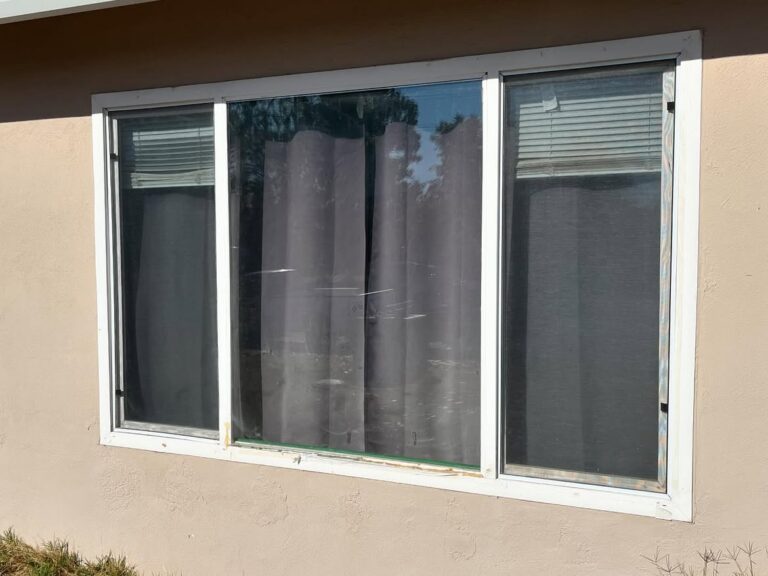
Which windows actually benefit
- West facing: the biggest payoff. Late afternoon sun comes in low and hits the glass straight on, right when the house is already hot.
- South facing: a strong second, especially on big windows and sliders.
- East facing: worth it if morning sun heats up a bedroom or a home office.
- North facing: rarely needed.
Most homes do not need screens on every window. Doing the two or three worst exposures gets most of the benefit.
Start with the room you avoid every afternoon in July. That is the window that pays you back.
80 percent or 90 percent fabric?
Phifer, one of the most common solar screen fabric makers, rates its SunTex 80 and SunTex 90 fabrics to block 80 to 90 percent of the sun's heat and glare. The difference is how open the weave is:
- SunTex 80 has a more open weave. You keep more of your view and natural light, and still block most of the heat.
- SunTex 90 is tighter. It blocks more heat and glare and gives more daytime privacy, but the room is darker.
A common setup is 90 on the hottest west windows and 80 on rooms where the view matters. Darker fabric colors are usually easier to see through from inside than light ones.
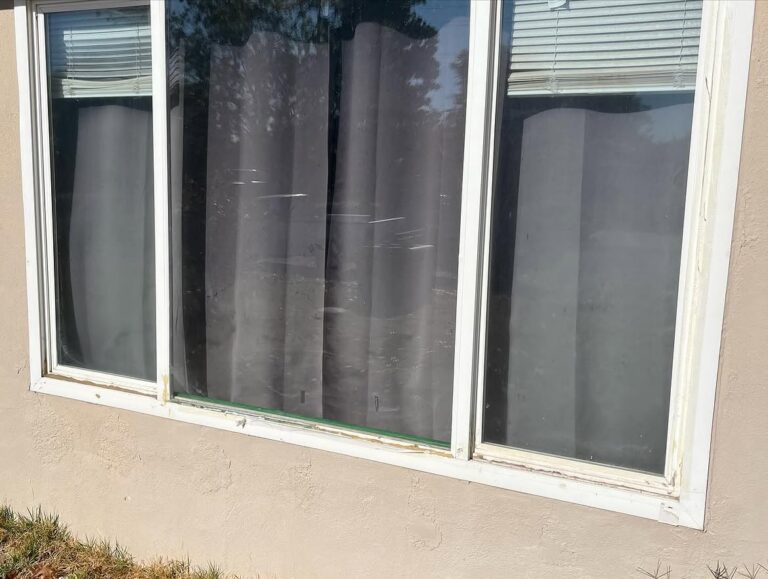
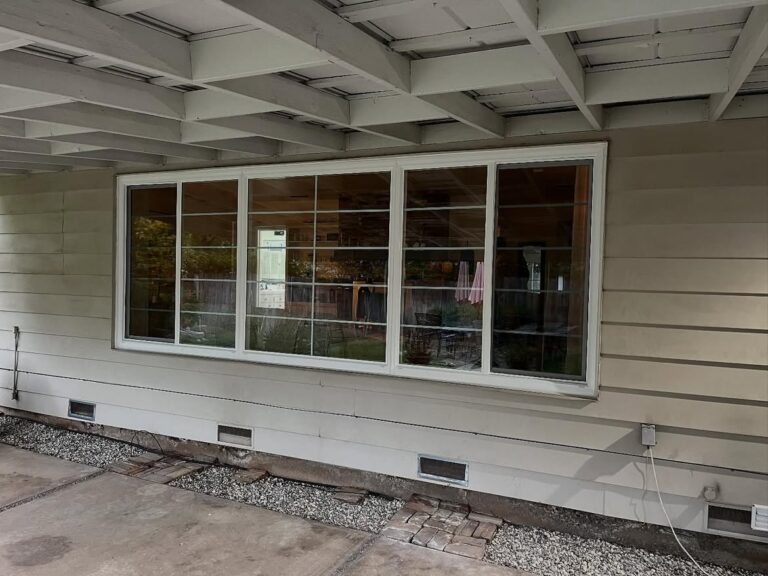
Custom framed screens fit each window opening.
Sun screens vs Low-E glass vs window film
Low-E glass is a coating built into the glass of modern dual pane windows. It is the best long term answer if you are replacing windows anyway. Window film goes on the glass itself. If you are considering it on dual pane windows, check your window warranty first, since some manufacturers limit coverage when film is applied. Exterior screens never touch the glass, work on old and new windows alike, and can come off.
We measure each window, build the screens to fit and install them. Tell us which side of the house is the problem.
What sun screens will not do
- They will not fix a foggy dual pane window or a failed seal. That is a glass repair. See why windows fog between the panes.
- They also block some of the sun you might want in winter. Some people leave them up year round, others take the west side ones down.
- They change how the outside of the house looks. If you have an HOA, check whether it limits screen colors.
Do they work as bug screens?
Yes. SunTex is a heavy duty insect screen as well as a sun screen, so on windows that open, a solar screen can replace the regular screen. We also replace torn standard screens and build pet screens, and we cover security doors in what to look for in a security screen door.
Quick answers
Can you see out of solar screens?
Yes. From inside you can still see out, more clearly with darker colors and the 80 percent fabric. From outside during the day, the screens make it harder to see in, which many people like for privacy.
Do solar screens block UV?
Yes. Phifer lists roughly 75 percent UV blockage for SunTex 80 and roughly 90 percent for SunTex 90, which also helps protect floors and furniture from fading.
Do sun screens replace regular window screens?
On windows that open, they can. Solar screen fabric also keeps bugs out.
Which windows should get sun screens first?
West facing windows first, then south. Those take the hardest afternoon sun in Sacramento.