
The short answer
Low-E (low emissivity) glass has an ultra thin metal coating that reflects heat while letting visible light through. In Sacramento it mostly helps by keeping summer heat out, cutting the UV that fades floors and furniture, and making rooms next to big windows more comfortable. It comes standard on most new dual pane windows, and when you are replacing glass anyway, it is usually worth it.
Low-E stands for low emissivity. It is a coating far thinner than a human hair, applied to one of the glass surfaces inside a dual pane unit. You can barely see it. It lets most visible light through but reflects a big share of infrared heat and ultraviolet light.
What it does in a Sacramento summer
- Less heat coming in. Put your hand on a west facing window at five in the afternoon in July and you will feel the difference.
- Less work for the AC. Your system does not have to fight as much heat pouring in through the glass.
- Less fading. Low-E blocks a large share of the UV that bleaches hardwood floors, rugs and furniture.
- More comfortable seats by the window. The inside surface of the glass stays closer to room temperature.
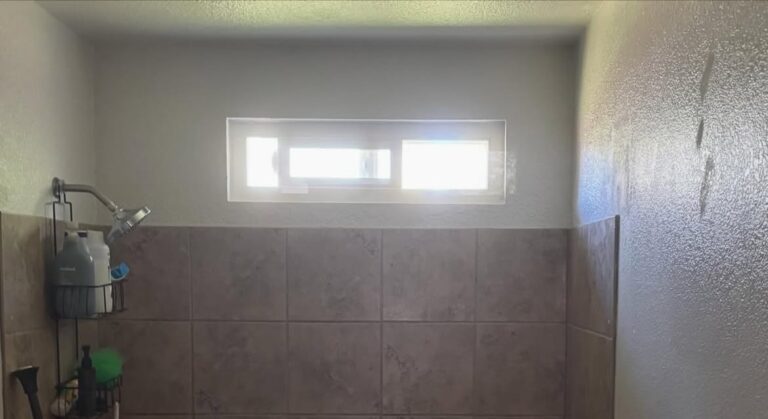
It helps in winter too
Sacramento winters are mild, but the same coating reflects heat back into the room on cold nights, so the house holds its warmth a little better.
Low-E vs tinted glass
Tinted glass darkens the view to cut heat. Low-E cuts heat while keeping the glass close to clear. Some Low-E coatings are made for hot climates and block more solar heat, with a slight tint you may notice at certain angles. If you want a room to stay bright, ask about the options before the glass is ordered.
If you are replacing a dual pane unit anyway, adding Low-E is usually a small part of the cost, and you keep the benefit for the life of the glass.
Is it worth it?
- New windows: most new dual pane windows sold in California already include Low-E, and the state energy code is a big reason why.
- Glass-only replacements: worth it on sunny sides of the house, especially south and west. Ask us to match what you have or upgrade.
- Single pane windows: the bigger upgrade is moving to dual pane. Here is single vs dual pane in Sacramento heat.
- Matching: if only one unit in a row of windows is replaced, new Low-E glass can look slightly different from older glass. We talk that through before ordering.
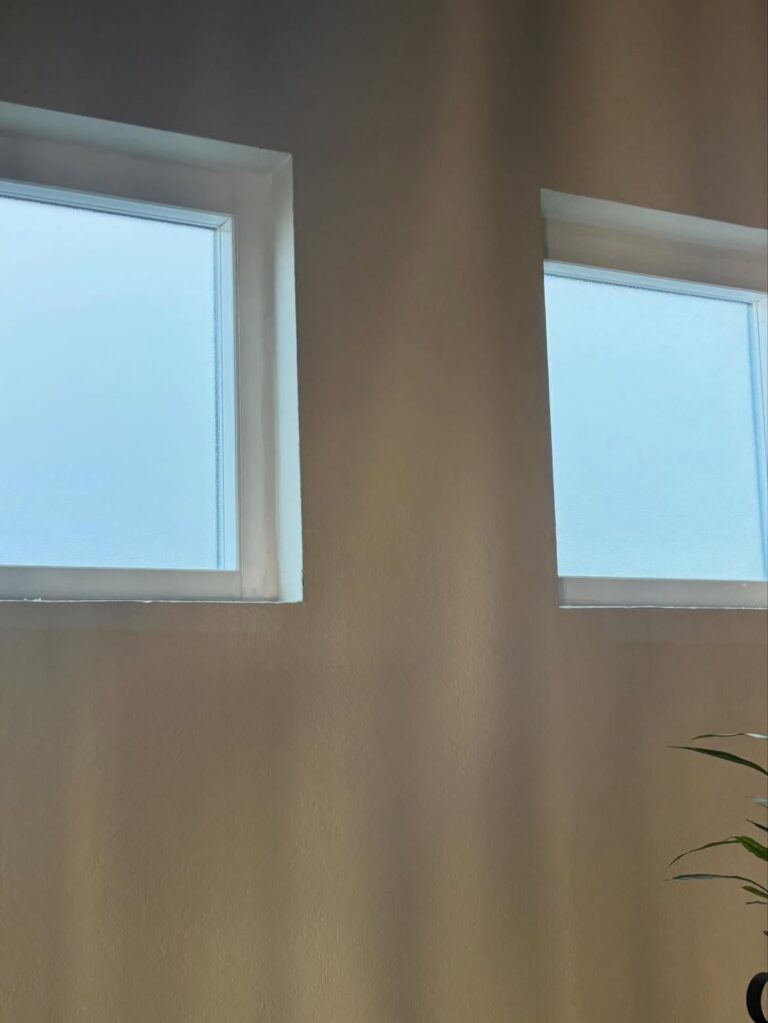
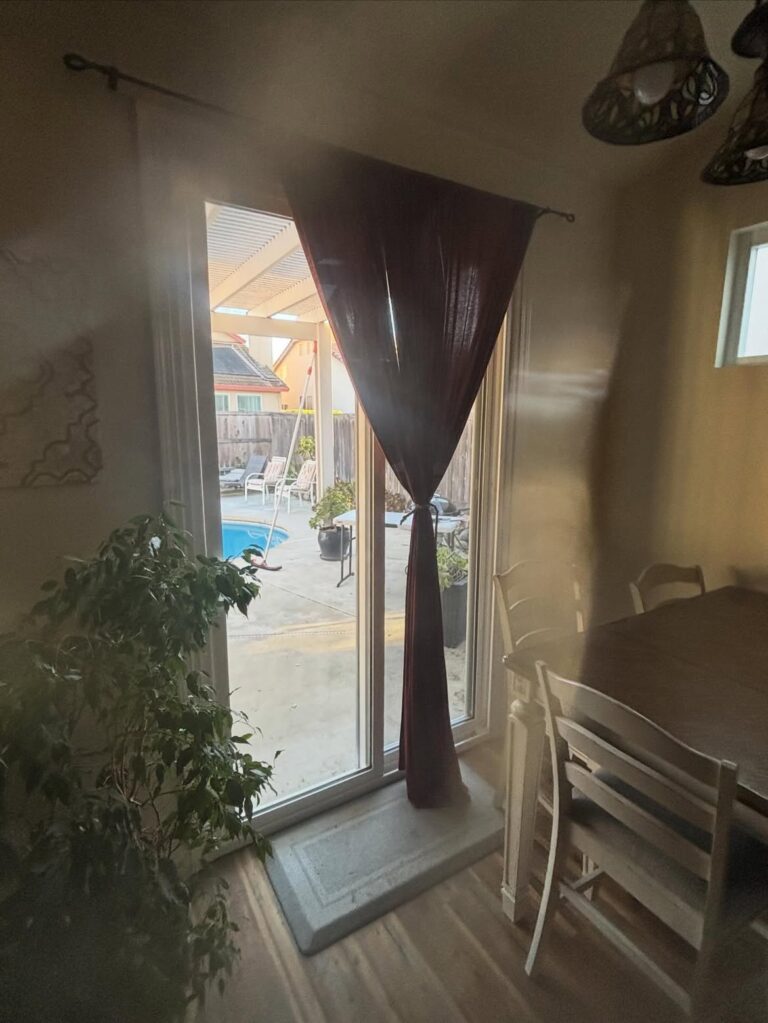
Same light, a lot less heat. That is the point of Low-E.
Ask us to quote Low-E next to clear glass so you can see the difference before you decide.
Low-E and solar screens
Solar screens stop sun before it reaches the window, while Low-E works on the glass itself. On a brutal west wall, some homeowners use both. Here is what solar screens can and cannot do. And if your frames are in good shape, you can usually get Low-E by replacing just the glass.
Quick answers
Can I see the Low-E coating?
Barely. You might notice a faint tint or reflection at certain angles, but the view stays clear.
Can you add Low-E to my existing windows?
Not as a coating on the old glass. You get Low-E by replacing the glass unit. Window film is a separate product with its own pros and cons.
Does Low-E stop furniture from fading?
It blocks a large share of UV, which is the main cause of fading. Nothing stops fading completely, but it slows it down a lot.
Is Low-E worth it on a north facing window?
It helps a little with winter heat loss, but the big payoff is on south and west windows that get direct sun.